A First Timer’s Guide to Renting a Storage Unit
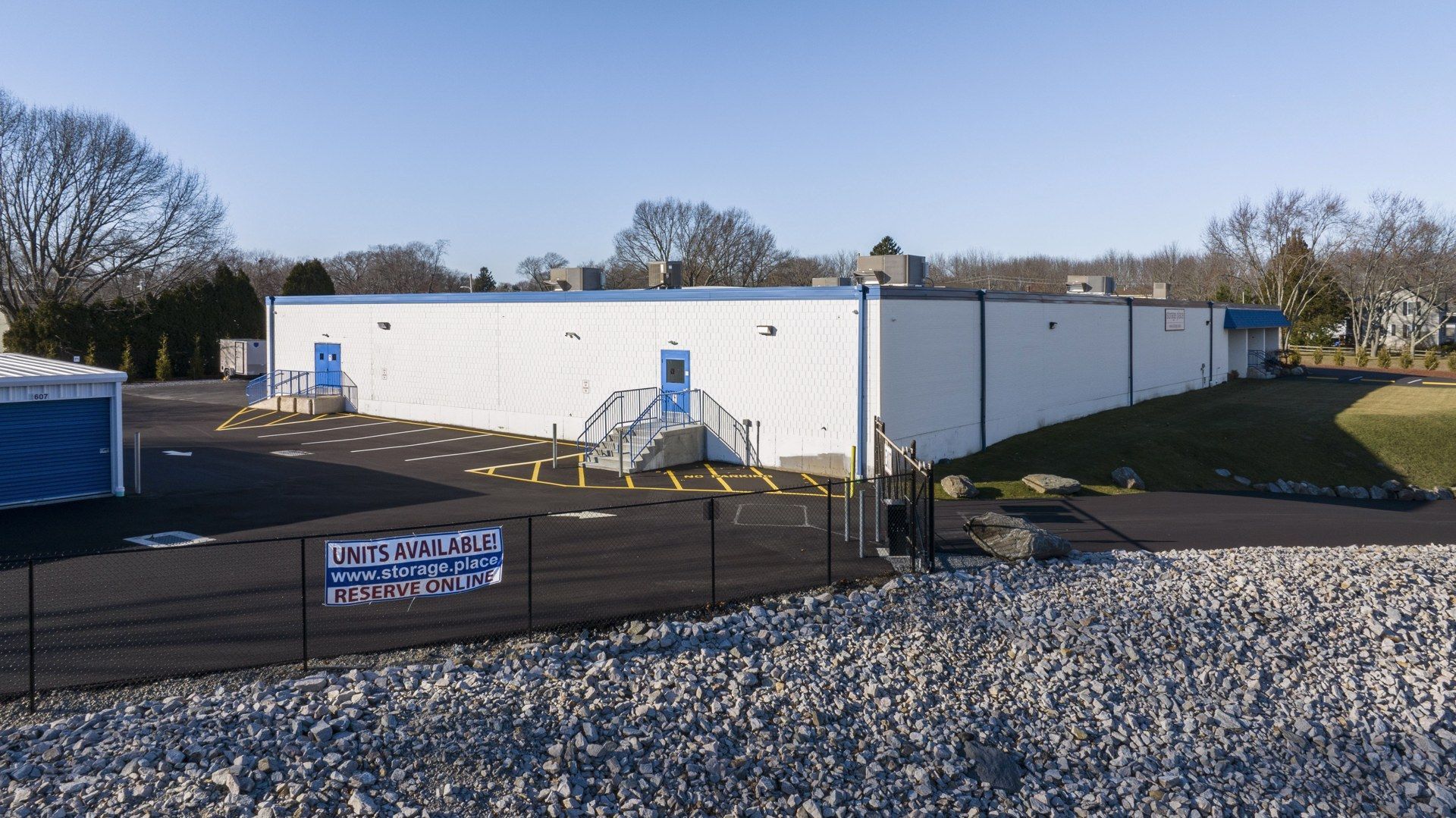
Renting a storage unit for the first time feels unfamiliar at first, but it becomes simple once someone explains how it works in real terms. You do not need special knowledge, just a clear sense of what you are storing and how often you plan to visit. If you want an easy place to compare sizes while reading, theStorage Place facility page is a good reference.
Start by grouping your belongings in one place
Before you even look at unit sizes, gather everything you plan to store in one spot. Seeing it all together makes the decision easier. Most people misjudge how much space they need until everything is lined up on the floor.
A rough guide helps. The Self Storage Association notes that the most commonly rented size in the United States is about 100 square feet. That is roughly the size of a small bedroom. Thinking in terms of real rooms makes the choice clearer.
A few simple tricks make this step easier:
- Stack boxes in neat rows instead of unstable piles
- Stand large items upright so you can judge height
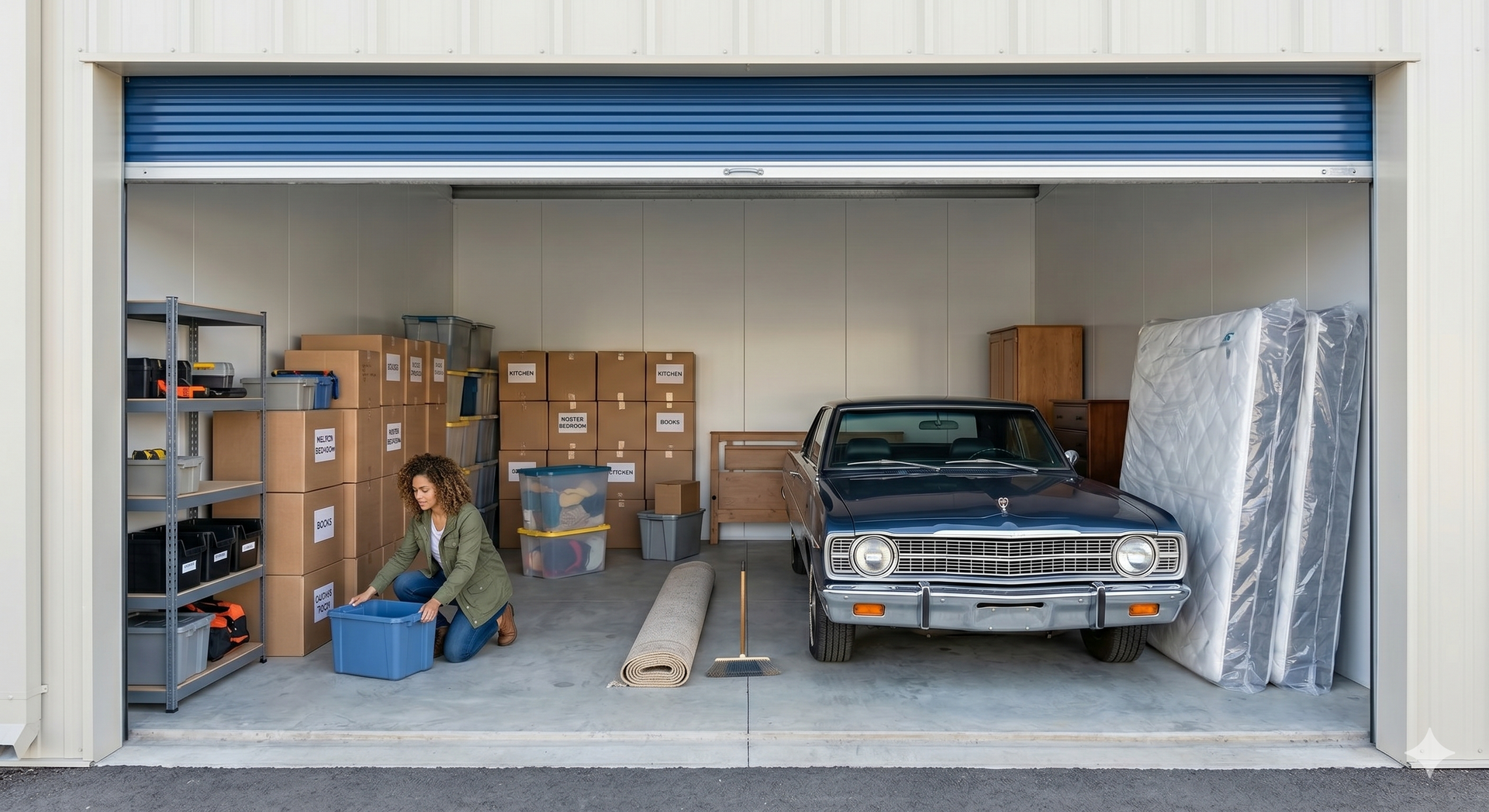
- Leave a small walkway to mimic how a storage unit might feel
It is a small bit of effort that saves guesswork later.
Decide if climate control is right for your items
Climate control is helpful, but you do not need it for everything. Standard units work perfectly for durable items like tools, sporting gear, plastic bins, and metal furniture. Other belongings need more protection.
Humidity is the problem. The Environmental Protection Agency notes that mold can begin developing within 24 to 48 hours in the right conditions. That is a short window if you plan to store anything sensitive.
People usually choose climate control for items such as:
- Wooden furniture
- Electronics and cameras
- Artwork or framed prints
- Books and collectibles
- Photos and albums
If an item can warp, fade, or absorb moisture, climate control is worth considering.
Visit the facility in person if you can
Storage facilities all look similar online, but they feel different in person. A quick visit gives you a sense of how safe, clean, and well kept the property is. Lighting matters. Drive lanes matter. Even how the staff talks to people matters.
Security plays a role too. Visible surveillance can reduce the risk of property crime according to the National Crime Prevention Council. You can often tell at a glance whether a facility takes security seriously.
A short walkthrough helps you notice:
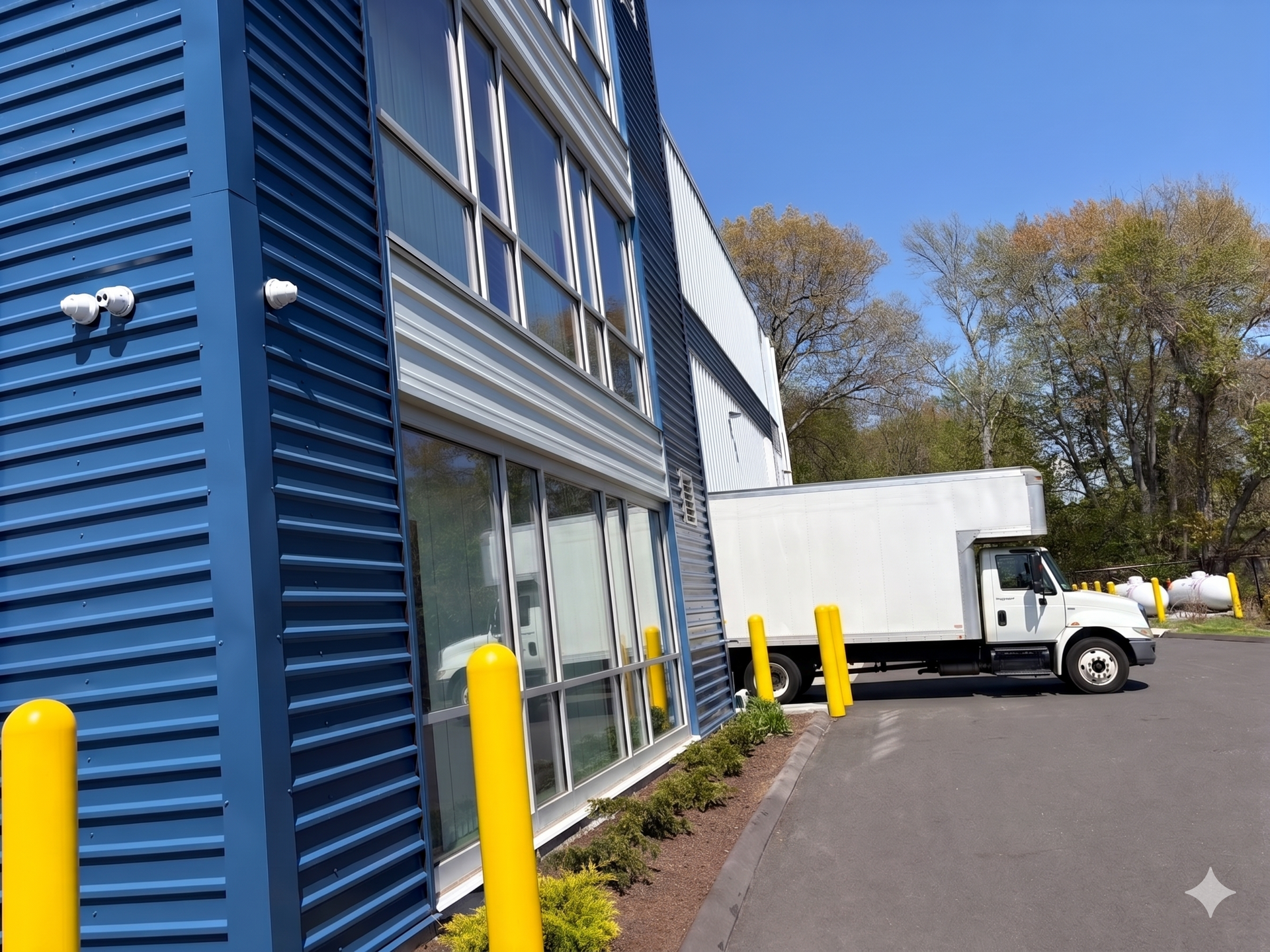
- Camera locations
- Gate entry systems
- Cleanliness of hallways and drive aisles
- Whether the space feels comfortable to use regularly
If the property makes you feel relaxed instead of rushed, it is usually a good sign.
Pack with long term storage in mind
People often pack for convenience instead of preservation. A storage unit is different. Items sit untouched for weeks or months. That means you want stronger boxes, more padding, and simple protection against moisture.
Water related issues are surprisingly common. The Insurance Information Institute reports that water damage is one of the most frequent home insurance claims in the country. A small spill or a humid day can affect items resting directly on the floor.
To keep everything in good shape:
- Wrap fragile items thoroughly
- Label boxes with real detail, not just one vague word
- Cover mattresses and upholstered furniture
- Raise valuables slightly with a pallet or small platform
It does not take long, but it gives you peace of mind.
Choose access hours that match your schedule
Once you start using storage, you will appreciate easy access more than you expect. Some people treat their unit like a seasonal closet. Others use it weekly. Think about how often you will be coming and going, and choose hours that fit your routine. A unit that works with your lifestyle always beats one that looks good on paper but is inconvenient to visit.
Leave a walkway inside the unit
It is a small tip, but it makes every visit easier. A narrow walkway prevents you from climbing over boxes, and it helps you reach anything stored in the back without moving everything in the front. Even a foot or two of space changes how usable the unit feels.
Compare prices, but look at convenience first
The cheapest unit is rarely the best one if it forces you to rearrange everything constantly or drive across town. Convenience, cleanliness, and size are what make storage feel helpful instead of stressful. Think of it like renting a room for your belongings. The easier it is to use, the better the experience.
Bringing It All Together
Your first storage rental should feel straightforward and predictable. Once you understand the basic differences between unit types, climate control, and how to prepare your items, the entire process becomes simple. If you want to see which unit sizes are available or compare features, the Storage Place facility page is an easy place to start.