A Guide to Keeping Unwanted Visitors Out of Your Storage Unit

September 30, 2025
Storing your belongings at a self-storage facility is a smart way to free up space at home, organize during a move, or safeguard seasonal items. But one thing nobody wants in their storage unit is uninvited visitors, bugs, rodents, or other critters that can damage your belongings and create unnecessary stress. 

Why Pests Are a Concern
Even the most secure storage units can become targets for pests if proper precautions aren't taken. Common pests like rodents, insects, and mold thrive in environments where food, moisture, and clutter are present. These unwanted visitors can:
  • Damage your belongings: Rodents may chew through boxes, furniture, or wiring. Insects like silverfish or termites can harm papers, fabrics, or wooden items.
  • Create hygiene issues: Droppings, nests, or insect residue can contaminate your stored items and cause unpleasant odors.
  • Lead to costly replacements: Damage caused by pests may turn a simple storage solution into an expensive problem.
Preparing Your Items Before Storage
Taking the right steps before storing your items can significantly reduce the risk of pest infestations:
  • Clean and dry everything thoroughly: Dirt, crumbs, and moisture attract pests. Ensure all items are clean and dry before packing them away.
  • Avoid storing food or perishable items: Even sealed food packages can attract insects and rodents. If you must store kitchen items, use non-perishable, tightly sealed containers and keep them off the floor.
  • Inspect items for signs of pests: Before storing, check for webs, droppings, or holes in boxes, which could indicate existing infestations.
Choosing the Right Storage Containers
How you pack your items plays a crucial role in preventing pests:
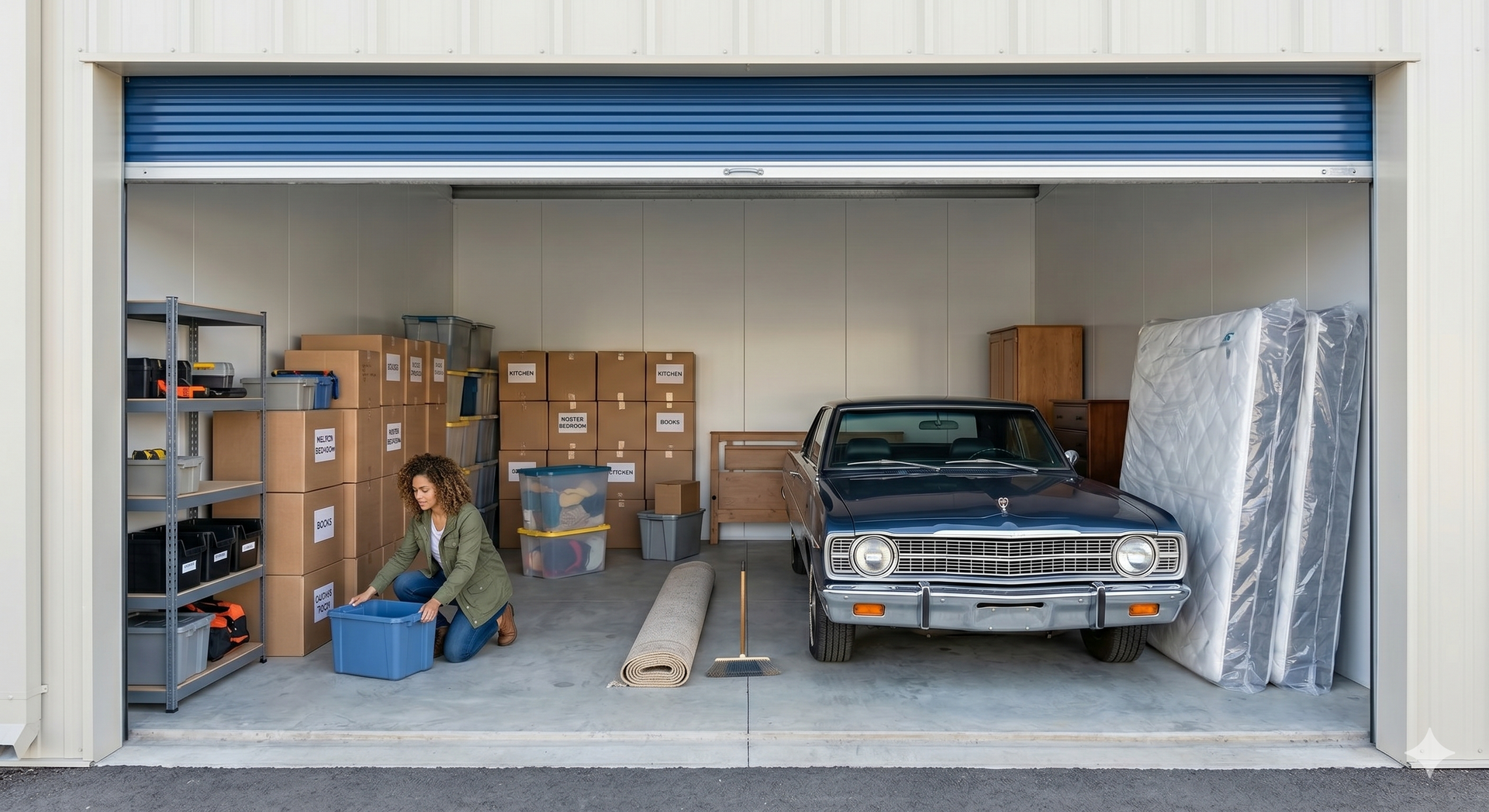
  • Use plastic bins with tight-fitting lids: Cardboard boxes are easy for insects and rodents to chew through, while durable plastic containers create a stronger barrier.
  • Seal boxes and wraps carefully: Use tape to close seams and consider shrink wrap for extra protection.
  • Elevate your items: Keeping boxes on pallets or shelves reduces exposure to moisture and makes it harder for pests to reach your belongings.
Maintaining a Clean and Organized Storage Unit
A tidy storage unit is less appealing to pests. Here's how to keep it that way:
  • Leave room for airflow: Pests thrive in damp, stagnant spaces. Proper spacing between items improves ventilation and reduces moisture buildup.
  • Inspect your unit regularly: Visiting your unit every few weeks allows you to catch potential problems early, like leaks, condensation, or signs of pests.
  • Keep the surrounding area clean: If you're using a self-storage facility like Storage Place, ensure outdoor items near your unit are tidy and free of debris that can attract critters
Leveraging Storage Place Features
At Storage Place, our facilities are designed with your peace of mind in mind. Some features that help prevent pests include:
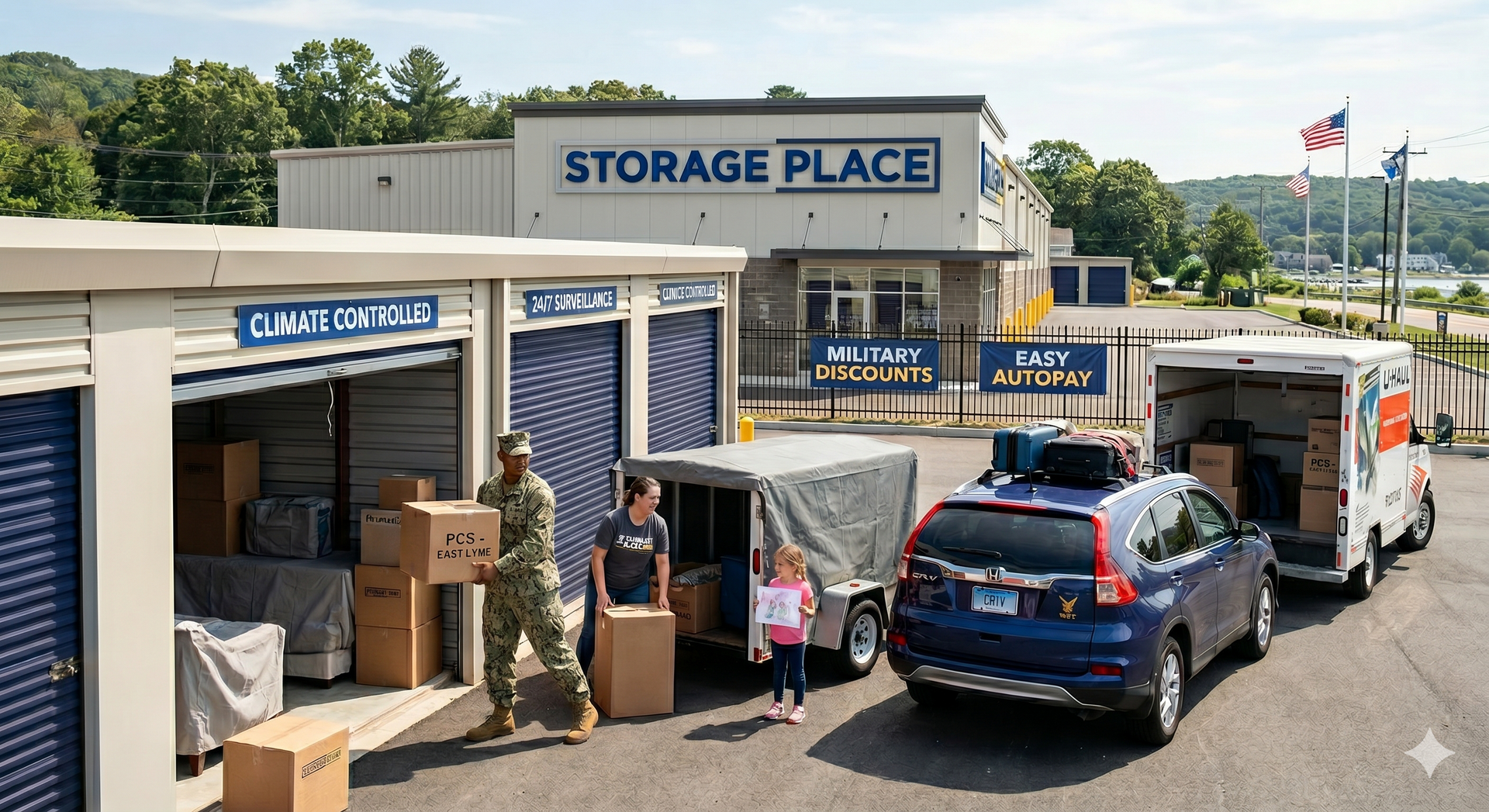
  • Climate-controlled units: These units help maintain a stable environment, reducing the likelihood of pests and mold growth.
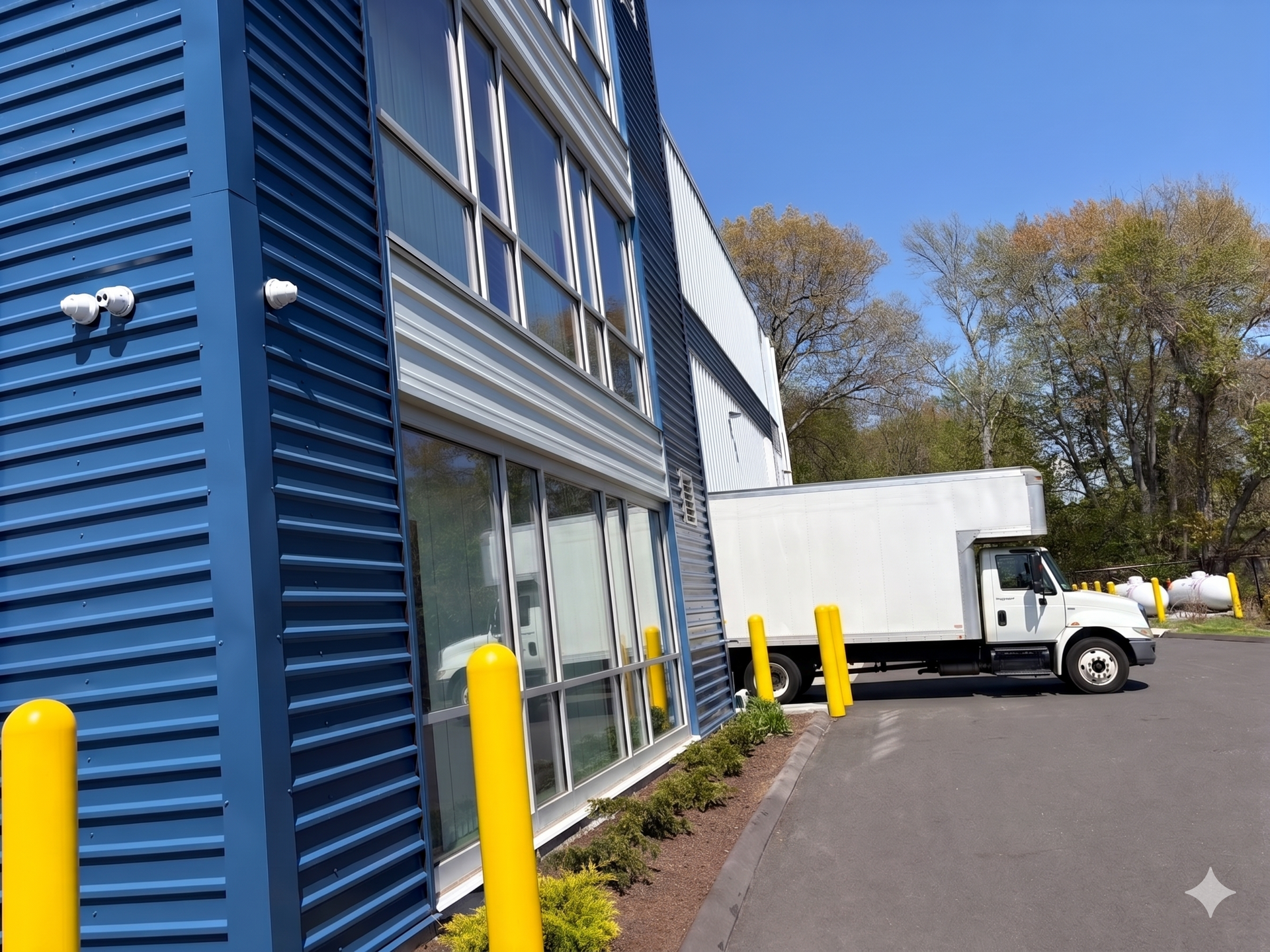
  • Secure, well-maintained grounds: Regular maintenance and secure fencing limit the chance of rodents or insects entering the facility.
  • 24/7 video surveillance and gated access: Enhanced security measures help protect your belongings from unauthorized access and potential infestations.
Additional Pest Prevention Tips
  • Use natural deterrents: Cedar chips, lavender sachets, or mothballs can help repel insects in smaller storage areas.
  • Avoid direct contact with concrete floors: Cardboard can absorb moisture and attract pests; placing bins on pallets or shelving is an easy fix.
  • Ensure your unit is sealed properly: Make sure doors close completely and check for any gaps that critters could use to enter.
Peace of Mind with Storage Place
Protecting your belongings doesn't have to be complicated. By preparing your items, packing them securely, and taking advantage of Storage Place's safe and well-maintained units, you can enjoy the convenience of self-storage without worrying about pests.

If you're ready to store your items safely or want advice on protecting specific belongings, our friendly team at Storage Place is here to help. We can guide you in selecting the right unit and provide tips for keeping your items safe, so you can focus on what matters most. Visit our size guide or give us a call to get started! 
January 27, 2026
Renting a storage unit for the first time feels unfamiliar at first, but it becomes simple once someone explains how it works in real terms. You do not need special knowledge, just a clear sense of what you are storing and how often you plan to visit. If you want an easy place to compare sizes while reading, the Storage Place facility page is a good reference. Start by grouping your belongings in one place Before you even look at unit sizes, gather everything you plan to store in one spot. Seeing it all together makes the decision easier. Most people misjudge how much space they need until everything is lined up on the floor. A rough guide helps. The Self Storage Association notes that the most commonly rented size in the United States is about 100 square feet. That is roughly the size of a small bedroom. Thinking in terms of real rooms makes the choice clearer. A few simple tricks make this step easier: Stack boxes in neat rows instead of unstable piles Stand large items upright so you can judge height Leave a small walkway to mimic how a storage unit might feel It is a small bit of effort that saves guesswork later. Decide if climate control is right for your items Climate control is helpful, but you do not need it for everything. Standard units work perfectly for durable items like tools, sporting gear, plastic bins, and metal furniture. Other belongings need more protection. Humidity is the problem. The Environmental Protection Agency notes that mold can begin developing within 24 to 48 hours in the right conditions. That is a short window if you plan to store anything sensitive. People usually choose climate control for items such as: Wooden furniture Electronics and cameras Artwork or framed prints Books and collectibles Photos and albums If an item can warp, fade, or absorb moisture, climate control is worth considering. Visit the facility in person if you can Storage facilities all look similar online, but they feel different in person. A quick visit gives you a sense of how safe, clean, and well kept the property is. Lighting matters. Drive lanes matter. Even how the staff talks to people matters. Security plays a role too. Visible surveillance can reduce the risk of property crime according to the National Crime Prevention Council . You can often tell at a glance whether a facility takes security seriously. A short walkthrough helps you notice: Camera locations Gate entry systems Cleanliness of hallways and drive aisles Whether the space feels comfortable to use regularly If the property makes you feel relaxed instead of rushed, it is usually a good sign. Pack with long term storage in mind People often pack for convenience instead of preservation. A storage unit is different. Items sit untouched for weeks or months. That means you want stronger boxes, more padding, and simple protection against moisture. Water related issues are surprisingly common. The I nsurance Information Institute reports that water damage is one of the most frequent home insurance claims in the country. A small spill or a humid day can affect items resting directly on the floor. To keep everything in good shape: Wrap fragile items thoroughly Label boxes with real detail, not just one vague word Cover mattresses and upholstered furniture Raise valuables slightly with a pallet or small platform It does not take long, but it gives you peace of mind. Choose access hours that match your schedule Once you start using storage, you will appreciate easy access more than you expect. Some people treat their unit like a seasonal closet. Others use it weekly. Think about how often you will be coming and going, and choose hours that fit your routine. A unit that works with your lifestyle always beats one that looks good on paper but is inconvenient to visit. Leave a walkway inside the unit It is a small tip, but it makes every visit easier. A narrow walkway prevents you from climbing over boxes, and it helps you reach anything stored in the back without moving everything in the front. Even a foot or two of space changes how usable the unit feels. Compare prices, but look at convenience first The cheapest unit is rarely the best one if it forces you to rearrange everything constantly or drive across town. Convenience, cleanliness, and size are what make storage feel helpful instead of stressful. Think of it like renting a room for your belongings. The easier it is to use, the better the experience. Bringing It All Together Your first storage rental should feel straightforward and predictable. Once you understand the basic differences between unit types, climate control, and how to prepare your items, the entire process becomes simple. If you want to see which unit sizes are available or compare features, the Storage Place facility page is an easy place to start.
January 22, 2026
Understanding the weather in East Longmeadow MA is an important part of storing belongings safely. Western Massachusetts experiences a wide range of seasonal conditions that can impact furniture, electronics, documents, and other commonly stored items. Temperature swings, humidity, snowfall, and summer heat all create challenges inside a storage unit if proper precautions are not taken. At Storage Place, helping customers protect what matters most starts with education. Knowing how local weather patterns behave throughout the year allows renters to make smarter decisions about packing, organizing, and selecting the right type of storage unit. An Overview of Weather in East Longmeadow MA East Longmeadow has a humid continental climate with four distinct seasons. According to WeatherSpark, summers are warm and humid, while winters are cold, snowy, and often freezing. Spring and fall bring frequent temperature changes and varying moisture levels, which can be especially hard on stored belongings if units are not properly prepared. Average summer highs typically reach the low to mid 80s, while winter temperatures often fall below freezing. Snowfall is common in winter, and humidity levels remain moderate to high during the warmer months. These factors make weather in East Longmeadow MA a key consideration when storing items long term. How Winter Weather Impacts Storage Units Winter weather in East Longmeadow MA brings freezing temperatures, snow accumulation, and ice. Prolonged cold can cause certain materials to crack, warp, or become brittle. Items especially vulnerable to cold weather include wooden furniture, leather goods, electronics, and household appliances. Moisture is another concern during winter. Snow tracked into a unit or condensation caused by temperature differences can lead to damp conditions. Over time, this moisture may result in mold growth or corrosion. To reduce winter related risks, it is important to elevate items off the floor using pallets or shelving. Plastic bins with secure lids provide better protection than cardboard boxes, which can absorb moisture. Electronics should be wrapped in moisture resistant materials and allowed proper airflow. Spring Weather and Moisture Concerns Spring in East Longmeadow often brings fluctuating temperatures and increased rainfall. These conditions can lead to condensation inside storage units, especially during periods when warm air meets cooler surfaces. Paper items such as documents, photographs, and books are particularly sensitive to moisture. Clothing and upholstered furniture can also absorb humidity, leading to mildew or unpleasant odors if not packed correctly. Using silica gel packets or moisture absorbers inside bins can help control humidity. Storing items with space between them allows air to circulate, reducing the chance of trapped moisture. Spring is also a good time to check stored items for early signs of dampness and make adjustments as needed. Summer Heat and Humidity Risks Summer weather in East Longmeadow MA is characterized by higher temperatures and elevated humidity levels. Heat can cause plastics to warp, adhesives to weaken, and certain finishes to peel or crack. Humidity increases the risk of mold growth and can damage fabrics, mattresses, and wooden furniture. Electronics are especially sensitive during summer months. Excessive heat may shorten their lifespan or damage internal components. Musical instruments, artwork, and antiques may also suffer if exposed to prolonged heat and moisture. Proper packing is essential during summer. Breathable covers work better than airtight wrapping for furniture. Avoid storing heat sensitive items near unit walls, which can absorb and retain heat. Climate controlled storage is often recommended for items that cannot tolerate temperature and humidity fluctuations. Fall Transitions and Storage Preparation Fall weather in East Longmeadow brings cooler temperatures and lower humidity, but it also signals the transition into winter. This season is ideal for reviewing storage setups and preparing for colder months ahead. Check seals on bins and replace any damaged containers. Rearranging items to improve airflow can prevent moisture buildup as temperatures drop. Fall is also a good time to ensure items are clean and dry before long term storage, since dirt and moisture can worsen damage over time. Best Storage Practices for East Longmeadow Weather Conditions Protecting belongings from weather in East Longmeadow MA starts with smart preparation. Choosing the right packing materials is one of the most effective steps. Plastic bins provide better moisture resistance than cardboard. For items that need breathability, fabric covers work better than plastic wrap. Elevation is another key practice. Keeping items off the floor reduces the risk of water exposure from melting snow or rain. Shelving units and pallets create a barrier between stored items and potential moisture. Organization matters as well. Leave small gaps between items to allow air circulation. Avoid stacking items directly against unit walls, which can be colder in winter and warmer in summer. When Climate Controlled Storage Makes Sense Climate controlled storage can offer added protection against extreme temperatures and humidity changes. For customers storing items such as electronics, wooden furniture, artwork, documents, or antiques, maintaining a more consistent environment is often beneficial. Given the seasonal temperature swings associated with weather in East Longmeadow MA, climate control can help reduce the risk of cracking, warping, mold growth, and condensation. It also provides peace of mind for long term storage needs. Storage Place offers storage solutions designed to help customers manage local weather challenges effectively. Selecting the right unit type is an important step in protecting valuable belongings. Packing Tips That Help Prevent Weather Damage Packing correctly can significantly reduce weather related damage. Always clean and dry items thoroughly before storing them. Moisture trapped during packing can worsen over time, especially during humid months. Disassemble large furniture when possible and store components vertically to save space and improve airflow. Use protective padding for corners and edges, and avoid using plastic directly against surfaces that need to breathe. Labeling bins clearly allows for easier access, reducing the need to disturb other items when retrieving something. Less movement inside the unit helps maintain a stable environment. How Storage Place Supports Smart Storage Decisions Storage Place is committed to helping customers store confidently through every season. Clean, well maintained storage units and flexible storage options allow renters to choose solutions that match their specific needs. By understanding weather in East Longmeadow MA and how it affects stored items, customers can make informed decisions about packing, organization, and unit selection. Storage Place provides a reliable storage environment that supports long term protection and peace of mind. Storing With Confidence Year Round Weather plays a significant role in how belongings hold up over time in storage. From freezing winters to humid summers, East Longmeadow presents a variety of challenges that require thoughtful preparation. With proper packing, organization, and an understanding of local climate patterns, renters can greatly reduce the risk of damage. Storage Place helps customers navigate these conditions by offering dependable storage solutions designed for the realities of weather in East Longmeadow MA.
moving boxes packed away and books on table
July 31, 2025
We all have a few items that are simply irreplaceable, family heirlooms passed down for generations, cherished photo albums, handwritten letters from loved ones. These pieces hold more than just monetary value, they’re full of memories, history, and emotion. So when it comes time to store them, you want to make sure they’re protected with care. Whether you're preparing for a move, clearing space at home, or just wanting to preserve your family's legacy, it’s important to know the best way to protect your most treasured items. Why Extra Care Matters Unlike everyday items like kitchen appliances or furniture, delicate valuables, like old photographs, antique jewelry, or your grandmother’s quilt, are more vulnerable to damage from temperature changes, moisture, and rough handling. That’s why proper packing and the right storage environment are key to keeping these items safe. Consider Climate-Controlled Storage Before we get into packing tips, let’s talk about storage conditions. For items like photos, paper documents, fabric, and wood, climate-controlled units are highly recommended. They maintain a steady temperature and humidity level year-round, helping to prevent: Warping Mold and mildew Yellowing or fading Cracking or brittleness How to Pack Specific Types of Keepsakes Let’s walk through how to safely pack different types of heirlooms and important items: Photographs & Photo Albums Photos are some of the most fragile items in storage. Here's how to protect them: Use archival storage boxes: Acid-free, lignin-free containers help prevent yellowing and deterioration. Avoid plastic sleeves unless they’re labeled photo-safe. Some plastics can trap moisture or degrade over time. Label everything with names, dates, or locations, future generations will thank you! Store flat and never in direct contact with other materials. Keep out of light even in storage, light exposure can fade photos over time. Documents & Letters Old letters, birth certificates, or family records should be treated with just as much care: Use acid-free folders or envelopes to prevent paper breakdown. Store flat and stacked loosely, not folded or tightly packed. Keep in a dry, cool place, a climate-controlled unit is ideal. Avoid paperclips and staples, which can rust and damage the paper. Fragile Heirlooms (Ceramics, Glass, Jewelry) Protect delicate items from chips, cracks, or worse: Wrap each item individually in bubble wrap or acid-free tissue paper. Use sturdy boxes and fill empty spaces with packing peanuts or soft material. Label boxes clearly and mark them as “Fragile.” Avoid stacking heavy items on top of these boxes, even if they seem stable. Textiles (Quilts, Clothing, Linens) Items made of fabric can be sensitive to moisture and pests: Clean them first to avoid stains setting over time. Wrap in cotton sheets or unbleached muslin, not plastic, which can trap moisture. Store flat if possible or loosely rolled to avoid creasing. Add cedar blocks or sachets to help repel pests (but never place them directly on fabric). Extra Tips for Safe Long-Term Storage Beyond the specific packing methods, here are a few general tips that apply to all types of valuables: Label every box with its contents so you can find things quickly without digging through. Elevate boxes off the ground using shelves or pallets, this adds an extra layer of protection from potential water damage. Avoid stacking too high, toppling towers aren’t good for fragile contents. Create an inventory (or take photos of items) in case you ever need to reference what’s in storage or file an insurance claim. Check on your unit periodically, especially if items are being stored long-term. Keep Your Memories Safe Family heirlooms and keepsakes aren’t just things, they’re connections to our past. That’s why storing them properly matters so much. Whether it’s great-grandma’s china set or your first photo album, you can rest easier knowing it’s packed with care and stored in a secure, climate-controlled unit. At Storage Place, we offer the space and peace of mind you need to protect what matters most. Our helpful team is always here to answer questions and walk you through the best storage options for your valuables. Ready to preserve your family’s treasures? Visit our size guide or give us a call to speak with one of our staff members. We’re here to help you store smart.